

Somewhere between three and nine months, give or take. That's the honest answer. It's not a quick fix, and honestly, anyone who tells you otherwise is leaving out some pretty important details about what's actually happening inside your jaw during that time.
Here's the thing most people don't realize until they're already sitting in the chair: the titanium post that replaces your tooth root has to fuse with your actual living bone. That process is called osseointegration, and your body just... does it at its own pace. You can't rush bone.
Dental implants in La Habra are not something that many people would investigate before having to get one themselves. What makes the process overwhelming is the fact that the process has several stages that you were never informed about.
Having an understanding of the process helps you prepare better so that you don't suddenly change your schedule because of a procedure that takes longer than you anticipated.
Why the First Dental Appointment Sets the Whole Clock
In order to perform the surgery, your dentist in La Habra needs to know how thick your jawbone is. It's not about taking a quick peek under your gum line; it's about getting an accurate image of your jawbone's thickness and density.
Why is that important? When a person has had no tooth in their mouth for a number of years, there is a chance that the bone around it could have decreased in volume already. The bone deteriorates gradually without giving any signs at all.
In case the bone is too fragile to anchor the implant securely, then there is going to be another procedure called a bone graft, which will add three to six months to your timeline. Again, it's not a problem; it's a necessary step to ensure that your treatment goes well in the future.
At Élan Dentistry in La Habra, we use digital imaging tools to catch all of this early so there aren't any surprises halfway through your treatment.
The Three Main Phases of Implants(Broken Down Simply)
Once your bone is ready, the actual implant process moves through three stages:
● Placement: The titanium post goes into your jawbone during an office visit. It sounds intense, but it's a controlled, comfortable procedure. You leave with a temporary solution while your mouth starts doing its thing underneath.
● Osseointegration: This is the long part. Your bone cells gradually attach to the titanium surface over several months. Nobody can speed this up. Your body is literally building a permanent anchor, and that takes time.
● Abutment and crown: Once the post is locked in by the dentist near you and is stable, a small connector piece goes on, and then your custom porcelain crown gets placed on top. That's the part you actually see when you smile.
Factors That Affect Dental Implant Healing Time
This is genuinely variable, and it's worth talking about honestly. Your overall health matters a lot here.
● If you have diabetes that isn't well managed, your tissues are going to take longer to heal after any kind of surgical procedure. It doesn't mean dental implants near you are off the table; it just means healing timelines stretch out and need closer monitoring.
● Smoking is another big one. It restricts blood flow in your mouth, and without good circulation, the titanium post has a harder time bonding with the bone properly. A lot of people don't connect those two things, but the research is pretty clear on it.
● Nutrition and following aftercare instructions aren't just suggestions either. They genuinely affect how your body repairs itself during those weeks between appointments.
How Your Dentist Monitors Implant Healing
You're not just waiting at home, wondering what's happening. Regular follow-up visits to a dentist near you track how your bone is healing before anyone starts manufacturing your final crown. Your dental team is watching for tissue integration, healthy gum seals around the post, all the things that confirm your implant is doing what it's supposed to do.
In case you detect anything out of the ordinary regarding your problem between visits, do not hesitate to contact our dentist, Dr. Ekta Amin. The road ahead is long, but you are never truly alone on it.
Are Dental Implants Worth the Wait?
Well, pretty much. Dental implants in La Habra look, feel, and function just like natural teeth, and, with proper care, can serve you for many years. All of the months you spend recovering are needed to make this happen.
Absence of a single tooth also affects the rest of your teeth over time, as they begin to shift. Properly replacing your tooth will help prevent such problems.
Schedule Your Complimentary Dental Implant Consultation
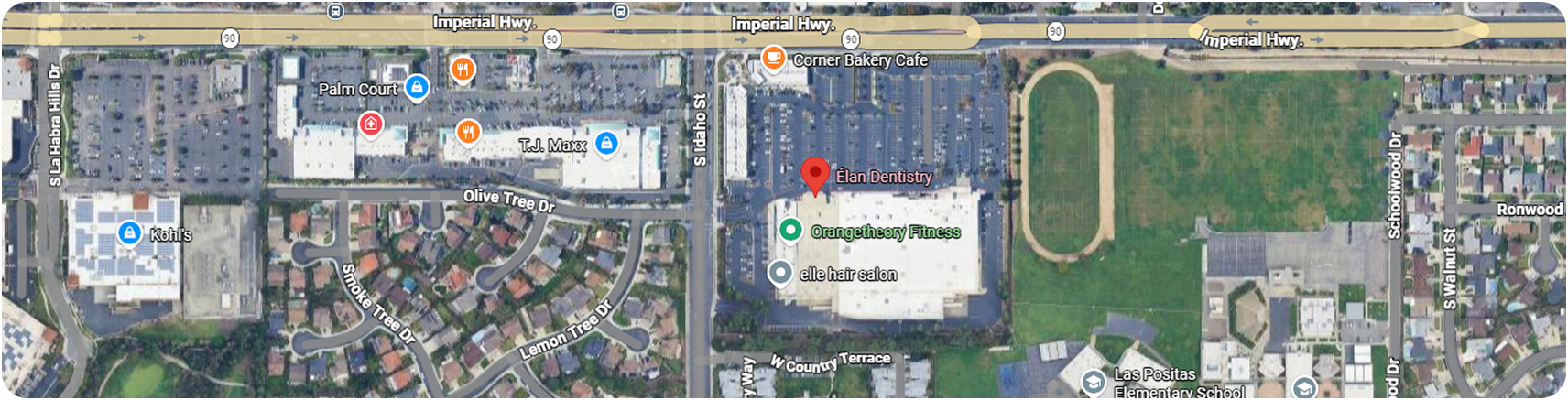
Our dentist in La Habra at Élan Dentistry serves nearby areas, including Fullerton, Brea, and La Mirada. We accept most major insurance plans and offer financing options and in-house membership plans for patients without insurance.
You can call us at (714) 364-8181 to book a consultation, or schedule online. Our consultation for dental implants near you is complimentary, so there's no pressure to commit before you even understand your options.
Frequently Asked Questions
Q. How long does the dental implant process take?
The length of most dental implant procedures is between three and nine months. This depends on factors including bone quality and healing rate, among others.
Q. Why does the implant healing process take so long?
It is because dental implants need to undergo a process referred to as osseointegration, which involves the fusing of the implant and jawbone. This creates an excellent foundation that guarantees the longevity of the new tooth.
Q. Can health conditions affect dental implant recovery time?
Yes. Some of these include smoking, diabetic patients whose disease is not under control, poor nutrition habits, and general poor health.

BOOK AN APPOINTMENT NOW!
Take the first step toward a brighter smile! Book your appointment online for quick, convenient access to our friendly, expert care.


.svg)



 Schedule Now